Scripture · 6 min read
How to Read the Bible as a Catholic When You Don’t Know Where to Start
You do not need to begin at page one or understand everything. Start with one Gospel, one short passage, and one honest prayer.
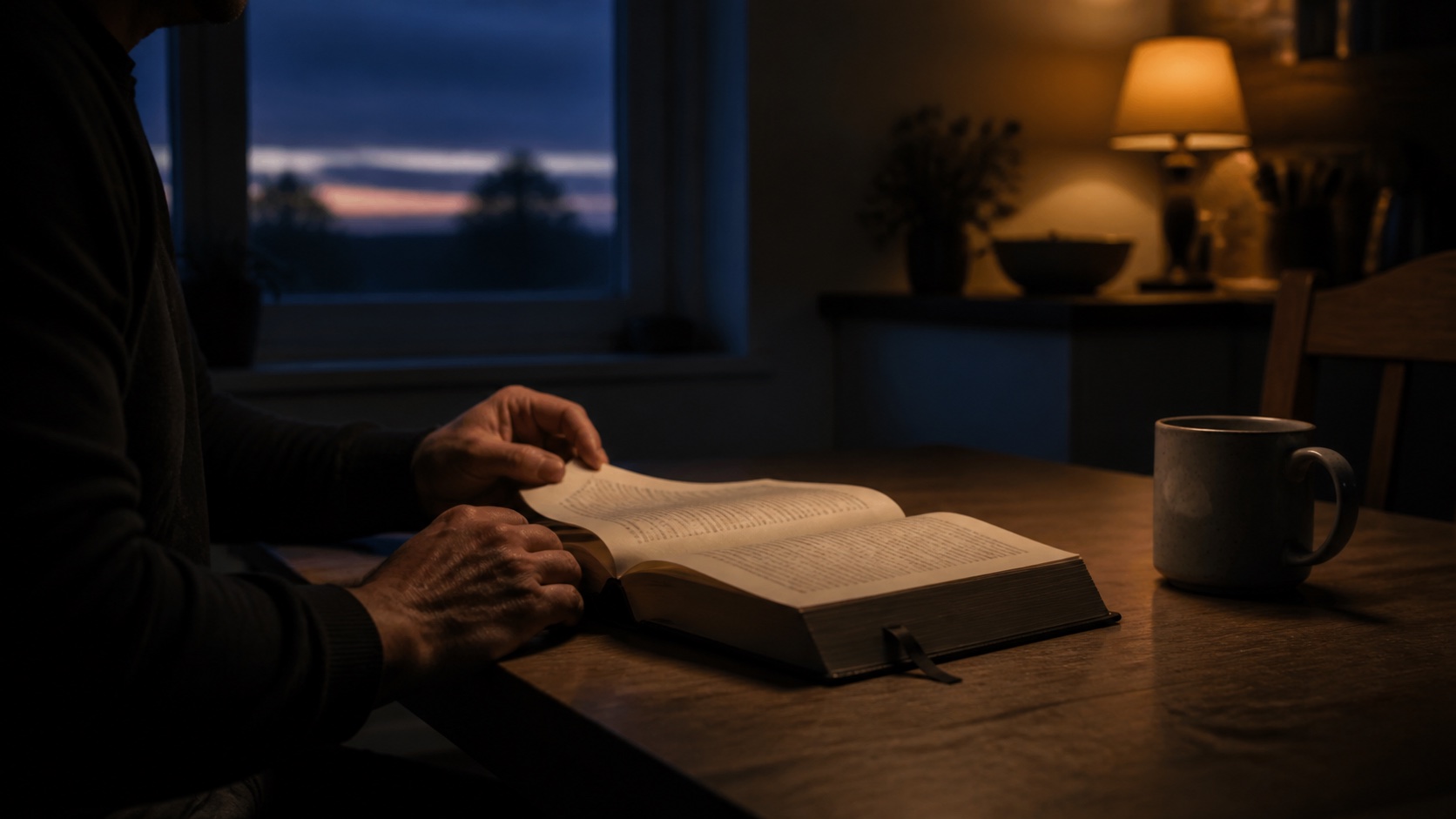
You open the Bible and immediately feel behind. There are hundreds of pages, unfamiliar names, different kinds of books, and the quiet fear that everyone else already knows what to do. Maybe you have tried to begin with Genesis, reached a difficult section, and stopped. If that is where you are, begin again more gently.
Reading the Bible as a Catholic is not a test of how much information you can finish. It is an encounter with the Word of God within the life of the Church. You can begin with one short Gospel passage, read it slowly, and let one true sentence remain with you.
You Do Not Have to Begin at Page One
The Bible is a library, not a single modern novel. Its books include history, law, poetry, prophecy, wisdom, letters, and the four Gospels. Reading straight from Genesis to Revelation can be fruitful, but it is not the only faithful way to begin and it is rarely the easiest path for a newcomer.
Start with Jesus. Choose one Gospel and stay there long enough to meet Him in scenes, conversations, healings, parables, the Cross, and the Resurrection. The Gospel of Mark is direct and brief. Luke gives special attention to mercy, prayer, and people at the margins. John is beautiful and profound, but often slower and more symbolic.
A Simple First Choice
If you want one clear answer, begin with the Gospel of Mark. Read ten to twenty verses a day. Do not rush to complete a chapter if a shorter scene already gives you enough to pray with.
Choose a Catholic Edition of the Bible
A Catholic Bible contains the complete Catholic canon of seventy-three books, including the deuterocanonical books. A Catholic edition will usually identify itself clearly and include introductions or notes that help place a passage in its literary and historical context.
You do not need the most expensive study Bible. Choose an approved Catholic edition that is readable enough for daily use. The best Bible for beginning is one you can understand, open without intimidation, and return to tomorrow.
The Five-Minute Catholic Bible Habit
A small repeatable practice is better than an ambitious plan that disappears after three days. Use this rhythm when you sit down with Scripture:
- Pause and make the Sign of the Cross.
- Ask the Holy Spirit for light and humility.
- Read one short Gospel passage slowly.
- Notice one word, action, question, or person that holds your attention.
- Respond to God in one honest sentence.
- Choose one small way to carry the passage into the day.
This is not about forcing a dramatic insight. Some days the passage will feel alive. Other days it may feel quiet or difficult. Faithfulness is not measured by intensity. Returning is already a form of love.
A Seven-Day Starting Plan
For your first week, use seven short encounters with Jesus. Read the complete scene around each reference rather than isolating a single line.
- Day 1: Mark 1:14–20 — Jesus calls ordinary people.
- Day 2: Mark 2:13–17 — Jesus eats with those who need mercy.
- Day 3: Mark 4:35–41 — Jesus is present in the storm.
- Day 4: Mark 5:21–34 — a suffering woman reaches for Christ.
- Day 5: Mark 8:27–30 — Jesus asks, ‘Who do you say that I am?’
- Day 6: Mark 10:46–52 — Bartimaeus names what he needs.
- Day 7: Mark 16:1–8 — the empty tomb interrupts despair.
At the end of the week, do not immediately search for a bigger plan. Ask which scene stayed with you. Return to it. Repetition is not failure; the Church returns to the same Scriptures because the Word meets us differently as our lives change.
Read Scripture with the Church
Catholics do not read the Bible as isolated individuals who must invent every meaning alone. Scripture, Sacred Tradition, and the teaching office of the Church belong together. The Church serves the Word by receiving, guarding, proclaiming, and interpreting it faithfully.
This protects you from two opposite mistakes: thinking you cannot understand anything without becoming a scholar, and thinking every private impression must be the complete meaning of the text. You can read personally without reading privately. Your prayer belongs inside the faith of the whole Church.
The readings at Mass are one of the best guides. They place Scripture inside worship and connect passages across the Old Testament, the Psalms, the letters, and the Gospel. If you are returning to Mass after a long absence, begin with this practical guide.
What to Do When a Passage Is Confusing
Do not panic and do not pretend the difficulty is not there. First read what comes before and after. Identify the kind of writing. A poem, parable, law, prophecy, and historical narrative do not communicate in exactly the same way.
Use the notes in an approved Catholic Bible, the Catechism, a trusted Catholic commentary, or the guidance of a priest or knowledgeable catechist. If a verse appears to contradict the character of Christ, the rest of Scripture, or the teaching of the Church, slow down. Context usually matters more than the first impression.
You Are Allowed to Leave a Question Open
Not every question must be solved in one morning. Write it down and continue. Humility is part of Catholic reading. A difficult text can invite study without preventing prayer.
What If You Read and Feel Nothing?
You may finish a passage without consolation, clarity, or a memorable phrase. The reading is not wasted. Scripture forms the imagination slowly. It teaches you the voice, actions, promises, warnings, and mercy of God over time.
If your attention keeps wandering, shorten the passage and read it aloud. Put the phone in another room. Trace one line with your finger. Begin again each time without scolding yourself. This guide to distracted prayer can help you work with a restless mind.
Move from Reading to Prayer
Catholic Bible reading begins and ends in prayer. After you understand what the passage says, ask how it reveals Christ, what it exposes in you, what grace you need, and what response love requires today.
A traditional way to make this movement is lectio divina: reading, meditation, prayer, contemplation, and a concrete response. Use this simple lectio divina guide when you are ready to pray more slowly with one passage.
Holy Spirit,
open my mind and soften my heart.
Help me receive this word with the Church,
recognize Jesus within it,
and carry one truth into my life today.
Keep me patient when I do not understand
and faithful when I feel nothing.
Speak, Lord. I am listening.
Amen.
Your First Step Today
Do not build the perfect reading plan tonight. Open the Gospel of Mark. Read one scene. Notice one thing Jesus does. Tell Him what it awakens in you. Then close the Bible before the practice becomes heavy.
Tomorrow, return. That is how a Catholic relationship with Scripture grows: not through speed, but through repeated attention to the God who has already spoken and still meets His people in the Word.
Questions
Where should a Catholic beginner start reading the Bible?
Begin with one Gospel. Mark is a clear first choice because it is direct and relatively brief. Read one short scene a day rather than trying to finish large sections.
Do Catholics have to read the Bible from Genesis to Revelation?
No. The Bible is a library of different books. A structured plan can help, but beginning with the Gospels and the readings at Mass is a faithful Catholic approach.
What makes a Bible Catholic?
A Catholic Bible contains the complete canon of seventy-three books and is published with Catholic approval. It often includes introductions and notes for reading within the Church’s tradition.
How much of the Bible should I read each day?
Start with ten to twenty verses or one complete Gospel scene. Read slowly enough to notice, pray, and respond. Consistency matters more than volume.
What should I do when I do not understand a Bible passage?
Read the surrounding context, identify the literary genre, consult notes in an approved Catholic edition, and use the Catechism or a trusted Catholic commentary. You may also leave a question open while you continue reading.
Should Catholics pray before reading Scripture?
Yes. Ask the Holy Spirit for light and end by responding to God. Catholic Scripture reading is not only study; it becomes a dialogue of listening and prayer.
Is it normal to feel nothing while reading the Bible?
Yes. Consolation is a gift, not a requirement. Scripture can form you quietly even when a reading feels ordinary. Return gently and let the habit grow over time.