Catholic Teaching · 8 min read · Published
Why Do Catholics Pray for the Dead?
Prayer for the dead is neither denial nor an attempt to control the unknown. It entrusts the departed to Christ’s mercy and Resurrection.
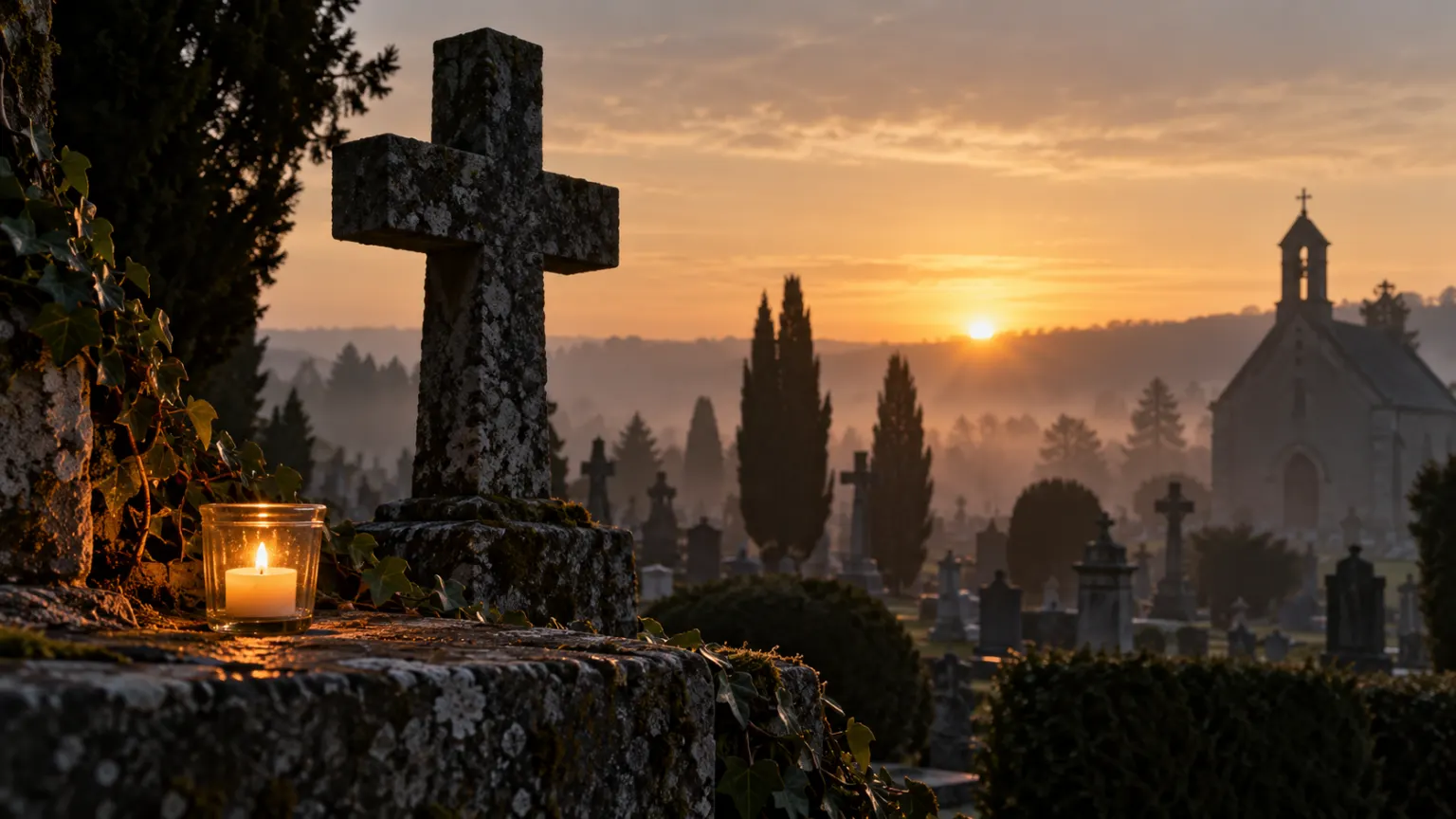
On November 2, the Church observes the Commemoration of All the Faithful Departed, commonly called All Souls’ Day. Vatican News traces the custom of Christian prayer for beloved dead to the early centuries and explains that the liturgy is centered on Christ’s Paschal Mystery—his victory over sin and death. The day is not a second All Saints celebration. All Saints rejoices in those already sharing God’s glory; All Souls entrusts the departed to God’s mercy and prays for those still being purified.
That distinction raises an honest question: if a person has died and God is perfectly just and merciful, why should our prayer matter? Catholic prayer for the dead does not try to change God’s character, obtain secret information, or make grief disappear. It rests on a simpler conviction: death does not place a person outside Christ’s care, and love in his body does not become useless when someone dies.
Prayer for the Dead Begins with the Resurrection
The center of All Souls’ Day is not speculation about the afterlife. It is Jesus Christ, crucified and risen. Vatican News places John 6 before us: Christ will not lose what the Father has given him, but will raise it on the last day. Christian hope therefore treats the dead neither as erased nor as available for us to manage. We entrust them to the Lord who knows them completely and has passed through death himself.
This is why Catholic remembrance is more than nostalgia. Memory can become prayer. A name spoken before God, a Mass offered, a visit to a grave, or a quiet work of mercy can express hope when we have no power to repair the past or see the person again. We do not need to pretend that loss is easy. We can mourn truthfully while placing the person we love within Christ’s promise of resurrection.
What Purgatory Means—and What It Does Not Mean
The Catechism teaches that those who die in God’s grace and friendship but remain imperfectly purified are assured of salvation and undergo a final purification before entering the joy of heaven. This is what the Church calls purgatory. Purgatory is not a second chance to choose God after death, and it is not another form of hell. It belongs to the saving work of grace: God brings to completion the holiness needed for full communion with him.
Popular pictures can make purgatory sound like a timetable, a location we can map, or a spiritual debt calculator. Catholic teaching is more restrained. We know enough to trust that purification is real, that salvation comes through Christ, and that our prayer for the dead is meaningful. We do not know the hidden state of a particular person, how purification is experienced, or a schedule for its completion. Humility protects hope from turning into fantasy.
Why Can Our Prayer Help Someone Who Has Died?
The Catechism says that from the beginning the Church honored the memory of the dead and offered prayer for them, especially the Eucharistic sacrifice. It also commends almsgiving, works of penance, and other acts of charity offered on their behalf. These practices make sense within the communion Christ creates. Christians do not live as isolated souls. Grace teaches us to carry one another in prayer, and death does not make that charity meaningless.
Our prayer does not purchase mercy or pressure God. It is itself a response to mercy. When we ask God to purify and receive the departed, we join the Church’s prayer and place our love where it belongs: in God’s hands. The most important act is the Mass, because the Church unites prayer for the dead to Christ’s one sacrifice. Personal prayer, almsgiving, fasting, and works of mercy can accompany that offering without becoming transactions.
- Ask a parish to offer a Mass for one deceased person or for forgotten souls.
- Pray the Eternal Rest prayer slowly, using the person’s name if appropriate.
- Visit a grave or memorial place, care for it respectfully, and pray without rushing.
- Offer a concrete work of mercy or a modest act of self-denial for the departed.
- Repair a living relationship that the person’s memory calls you to take seriously.
Prayer Is Not a Technique for Contacting the Dead
A 2025 letter from the Dicastery for the Doctrine of the Faith makes an important distinction. Prayer for a departed person entrusts that person to God; it is different from trying to establish contact through a method, message, or alleged supernatural technique. Grief can create a strong desire for reassurance, but Catholic hope does not require signs, private communications, or imagined certainty. It remains grounded in Christ, Scripture, the sacraments, and the public faith of the Church.
This boundary is pastoral, not cold. It protects grieving people from manipulation and keeps attention on the Lord rather than on experiences that cannot be verified. You may remember dreams, coincidences, or strong emotions without building doctrine or decisions on them. Bring the whole experience to prayer, seek wise pastoral help if needed, and allow grief to unfold at a human pace. Professional grief support can also be a faithful form of care.
A Simple Way to Mark All Souls’ Day
Choose one deceased person whose name you will carry deliberately on November 2. If possible, attend Mass or request a Mass intention. At home, place the person’s name near a Bible or crucifix—not as a shrine to summon the person, but as a reminder to pray. Read John 6:37-40, thank God for one true gift received through that life, and pray for mercy, purification, and eternal rest.
Then let remembrance become charity. Give food, time, attention, or a useful gift to someone living, without presenting the act as a bargain with God. If the relationship with the deceased was painful or unfinished, do not force sentimental memories. You may pray simply: “Lord, You know the whole truth. Judge with mercy, heal what I cannot repair, and keep me faithful today.”
A Short Prayer for the Faithful Departed
Risen Jesus, receive those who have died into Your mercy. Purify what still needs healing, complete the good You began in them, and grant them the joy of seeing You face to face. Comfort those who grieve, protect us from fear and false certainty, and teach us to live in hope of the resurrection. Eternal rest grant unto them, O Lord, and let perpetual light shine upon them. Amen.
One Concrete Action
Before November 2, write one deceased person’s full name on a small card and place it where you pray. Ask your parish how to request a Mass intention, or note the next Mass you can attend for that person. Then choose one quiet work of mercy to complete in their memory. Keep the practice simple, truthful, and centered on Christ rather than on obtaining a sign.
Catholics pray for the dead because the Resurrection changes what love can hope for. We cannot control another person’s final destiny or remove the mystery of death. We can entrust, remember, intercede, worship, and act with mercy. All Souls’ Day gives that love a disciplined form: the Church gathers grief and hope, places both within Christ’s sacrifice, and asks the Father to bring the departed home.
Official sources
Questions
Why do Catholics pray for the dead?
Catholics pray for the dead because the Church believes that those who die in God’s friendship may still need final purification and can be helped by the prayers of the faithful, especially the Eucharistic sacrifice.
What is All Souls’ Day?
All Souls’ Day is the Commemoration of All the Faithful Departed, observed on November 2. The Church prays for the dead in the light of Christ’s death and Resurrection.
Is purgatory a second chance after death?
No. Catholic teaching describes purgatory as the final purification of people who die in God’s grace and friendship and are assured of salvation, not a second opportunity to choose God.
What is the best Catholic prayer for someone who died?
The Mass is the Church’s central prayer for the dead. Catholics also commonly pray, “Eternal rest grant unto them, O Lord, and let perpetual light shine upon them.”
Can I pray for someone if I do not know whether they were Catholic?
Yes. You can entrust any deceased person to God’s justice and mercy. Prayer does not require you to make claims about the person’s hidden relationship with God.
Is praying for the dead the same as contacting them?
No. Prayer for the dead is addressed to God on their behalf. It is not an attempt to summon, receive messages from, or establish contact with a deceased person through a technique.
How can I observe All Souls’ Day at home?
Pray for one deceased person by name, read John 6:37-40, request or attend a Mass if possible, visit a grave respectfully, and complete one work of mercy in hope of the Resurrection.