Faith · 8 min read
What to Say to God When You Do Not Know What to Say
When prayer feels empty and words will not come, begin with honesty. God does not need polished speeches. One true sentence can become prayer.
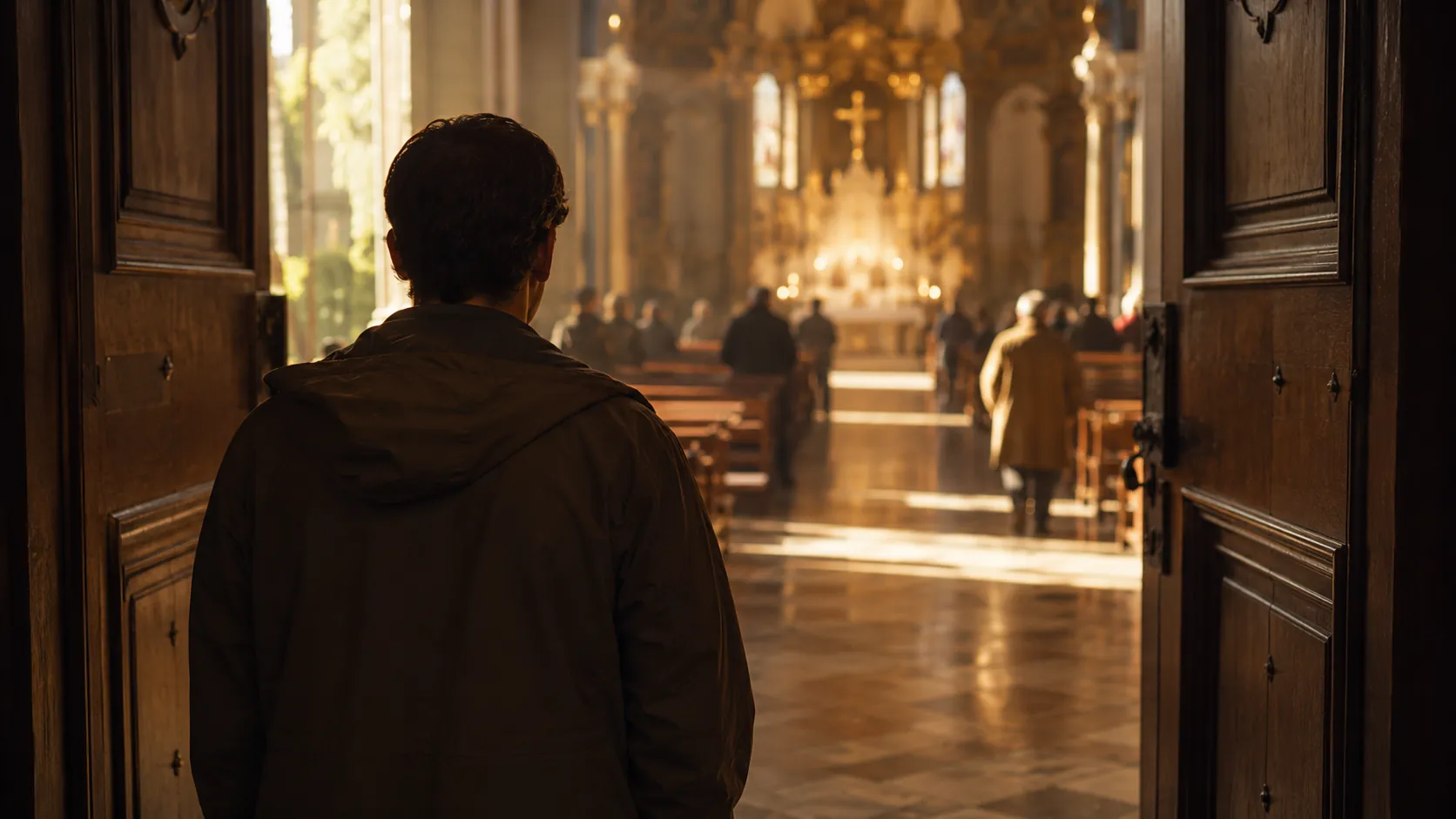
Sometimes you sit down to pray and nothing comes. You know you should speak to God, but the words feel stuck. Your mind is tired. Your heart feels flat. You may even whisper, “God, I do not know what to say.” If that is where you are today, stay here for one minute.
Many people think prayer must sound beautiful to be real. We imagine that good prayer is confident, poetic, focused, and full of devotion. Then we sit in silence with a distracted mind and a dry heart, and we assume we have failed before we have begun.
But prayer does not begin with impressive language. It begins with turning toward God. A tired sentence can be prayer. A quiet sigh can be prayer. A simple act of presence can be prayer when it is offered honestly to the Lord.
If you are searching for what to say to God when you do not know what to say, the answer is simpler than you may think. Start by telling Him exactly that.
Why Prayer Feels So Hard When Words Fail
There are many reasons prayer can feel difficult. Sometimes you are exhausted. Sometimes you are anxious. Sometimes you are carrying guilt. Sometimes you feel disappointed with God, even if you are afraid to admit it. Sometimes your faith is still there, but it feels buried under noise.
Modern life also trains the soul to avoid silence. We fill every pause with a screen, a message, a podcast, a task, or a distraction. Then, when we finally try to pray, silence can feel strange. It may feel like an empty room you do not know how to enter.
This does not mean you are a bad Catholic. It means you are human. Your soul may be out of practice. Your attention may be tired. Your heart may need gentleness more than pressure.
The Fear of Saying the Wrong Thing
Some people stop praying because they think they must get the words right. They worry that their prayer is too selfish, too simple, too emotional, too dry, or too messy. So instead of speaking badly, they say nothing.
But God is not waiting to grade your sentence. He is not impressed by religious vocabulary if your heart is far away, and He is not offended by simple words if they are true. Jesus warns against empty performance in prayer. The Father sees what is hidden.
A prayer when you have no words does not need to be long. It needs to be honest. The words “Lord, I do not know what to say” may be more real than a polished paragraph spoken without attention.
Start by Telling God the Truth
The first thing to say to God when you do not know what to say is the truth. Not the version of yourself you wish were true. Not the version you think a faithful person should present. The truth.
You can say, “Lord, I feel empty.” You can say, “I am angry.” You can say, “I want to believe, but I feel far away.” You can say, “I am embarrassed that I have not prayed in a long time.” You can say, “I am here, but I do not feel anything.”
This is not disrespect. It is relationship. A real relationship with God includes reverence, but reverence is not pretending. God already knows your heart. Prayer lets you stop hiding from Him.
Honesty Is Not the Opposite of Faith
Some people worry that honest prayer sounds unfaithful. They think admitting doubt, anger, numbness, or confusion means they are failing God. But Scripture is full of human beings crying out to God from fear, sorrow, and uncertainty.
The Psalms are not sterile. They are full of longing, complaint, trust, repentance, gratitude, and desperation. They teach us that God can receive the whole human heart. You do not need to clean up every feeling before you pray.
If you want to know how to talk to God as a Catholic, begin like a son or daughter speaking to a Father who already knows. Speak with respect, but speak truthfully.
Simple Things You Can Say to God
When words fail, it helps to have a few simple sentences ready. These are not magic formulas. They are doorways. Choose one and pray it slowly.
- Lord, I do not know what to say, but I am here.
- Jesus, teach me how to pray again.
- Father, I feel empty. Please stay with me.
- Holy Spirit, pray in me when I have no words.
- Lord, I want to want You.
- Jesus, I trust You with what I cannot explain.
- God, receive this small moment.
- Lord, bring me back to You.
Any one of these can become a one sentence prayer. Repeat it slowly. Let it breathe. Do not rush to fill the silence. You are not trying to perform. You are turning toward God.
A Short Prayer When Words Fail
Lord Jesus,
I do not know what to say today.
My heart feels tired.
My words feel small.
But I am here.
Receive this quiet moment.
Teach me to pray with honesty.
Stay close to me in the silence.
Amen.
When You Feel Empty or Numb
There is a particular kind of difficulty that comes when you feel nothing. Not peace. Not devotion. Not anger. Just numbness. You may kneel, sit, or stand before God and feel as if nothing inside you is moving.
If this is happening, do not panic. Feeling numb in prayer does not automatically mean God is absent. It may mean you are tired. It may mean you are grieving. It may mean you are spiritually dry. It may mean your body and mind are overwhelmed.
If numbness is constant, heavy, or connected to depression, trauma, or thoughts of harm, seek help from a trusted professional, priest, or someone trained to support you. Prayer matters, but it does not replace medical or mental health care when that care is needed.
Spiritually, the key is not to force a feeling. You can offer God the numbness itself. You can say, “Lord, I feel nothing, but I give You this nothing.” That may sound small. It is not small. It is an act of trust.
Prayer Is Not Only a Feeling
Prayer includes the heart, but it is not limited to emotion. Love is sometimes felt strongly. Other times, love is chosen quietly. A parent who wakes up tired and still cares for a child is loving even without warm feelings. A person who feels dry and still turns toward God is praying, even without consolation.
This matters because many people quit prayer when the feeling disappears. They assume the absence of emotion means the prayer is fake. But sometimes the most faithful prayer is the one you make when it gives you no obvious reward.
Borrow the Words of the Church
When your own words will not come, you do not need to invent new ones. The Church gives you words. This is one of the mercies of life in the Church.
You can pray the Our Father slowly. You can pray one Hail Mary. You can make the Sign of the Cross with attention. You can sit with a Psalm. You can repeat the name of Jesus. These prayers do not become less powerful because they are familiar.
In fact, familiar prayers can carry you when your own language collapses. They are like a path worn into the ground by generations of believers. When you are weak, you can walk where the Church has already walked.
Try One Our Father Slowly
If you cannot pray much today, pray one Our Father slowly. Pause after the first words: “Our Father.” Let those words remind you that you are not speaking to an idea, a force, or a distant judge. You are speaking to the Father.
Then continue one line at a time. Do not rush. If one phrase catches your attention, stay there. Prayer is not a race to finish the text. It is a way of being with God.
Use Scripture When You Have No Words
Scripture gives language to the soul. When you do not know what to say, you can let the Word of God speak first. You do not need to read a whole chapter. One verse can be enough.
Try a simple verse like, “Lord, save me” from Peter sinking in the water. It is short, desperate, and honest. Or use the cry from the Gospel: “Lord, I believe; help my unbelief.” That is a prayer for anyone who still believes, but feels weak.
You can also pray with the Psalms. The Psalms give you permission to bring sorrow, confusion, repentance, and hope before God. They teach the heart how to speak again.
A One-Minute Prayer Method When Words Fail
If you feel blocked, do not create a complicated prayer routine. Use a simple one-minute method. The point is not to do everything. The point is to begin.
- First, make the Sign of the Cross slowly.
- Second, say one true sentence to God.
- Third, sit in silence for a few breaths.
- Fourth, pray one Our Father or one Hail Mary.
- Fifth, end by saying: Lord, help me return tomorrow.
This is simple enough to repeat. That matters. A prayer habit does not grow from intensity alone. It grows from returning. One honest minute today makes tomorrow easier.
One Small Action You Can Take Today
- Put your phone face down.
- Open your hands for a moment.
- Say: God, I do not know what to say, but I am here.
- Stay silent for ten seconds.
- Do not judge the prayer afterward.
When Guilt Is Blocking Your Prayer
Sometimes the reason you do not know what to say is guilt. You have been away from prayer. You missed Mass. You made choices you regret. You feel hypocritical returning now. So you avoid God because you do not know how to explain yourself.
But God does not need your explanation before He offers mercy. The prodigal son returned with a speech prepared, but the father embraced him before the speech could become the center. Return first. Mercy is not earned by eloquence.
If serious sin is weighing on your conscience, go to Confession. Do not wait until you feel worthy. Confession is not for people who have no mess. It is for sinners who want mercy. The words may feel awkward, but the Sacrament is stronger than your awkwardness.
God Receives Small Prayers
A small prayer is not a useless prayer. A whisper can be real. A single sentence can open the heart. A moment of silence can become an offering. God is not limited by the size of your prayer.
This is why One Minute Catholic exists. Not because one minute is the whole spiritual life. It is not. Life in the Church includes Mass, the Sacraments, Scripture, charity, conversion, community, and perseverance. But one minute can be a doorway back into all of it.
When you do not know what to say to God, do not disappear. Do not wait until you can speak beautifully. Do not assume silence means failure. Begin with one true sentence.
Say, “Lord, I am here.” Say, “Teach me to pray.” Say, “Help me come back.” Say, “I do not know what to say.” If you say it to God, honestly, it is already prayer.
Before you go… Take one quiet minute. Speak honestly to God. One sentence is enough. He is already listening.
Begin every morning with one quiet minute. Receive a short daily prayer, a reflection, a Saint, and one simple action—delivered to your inbox each morning. Join the One Minute Catholic community today.
Questions
What should I say to God when I do not know what to say?
Start with the truth. You can say, “God, I do not know what to say, but I am here.” A simple, honest sentence can become real prayer.
Is it okay to pray when I feel nothing?
Yes. Prayer is not only a feeling. You can offer God your dryness, numbness, or lack of words. Faith often begins again through small acts of trust.
What is a short Catholic prayer when words fail?
A simple prayer is: “Lord Jesus, I have no words today. Receive this quiet moment and teach me to pray again. Amen.”
How can I talk to God as a Catholic?
Speak honestly and reverently. You can use your own words, the Our Father, the Hail Mary, the Psalms, or one simple sentence from the heart.
What if guilt keeps me from praying?
Begin anyway. God invites you to return. If serious sin is weighing on you, Confession is the Sacrament of mercy and a concrete way to begin again.