Catholic Life · 8 min read · Published
What Does ‘Medicine of Immortality’ Mean?
Saint Ignatius of Antioch called the Eucharist medicine of immortality: not a magic cure, but Christ’s gift of communion and promised resurrection.
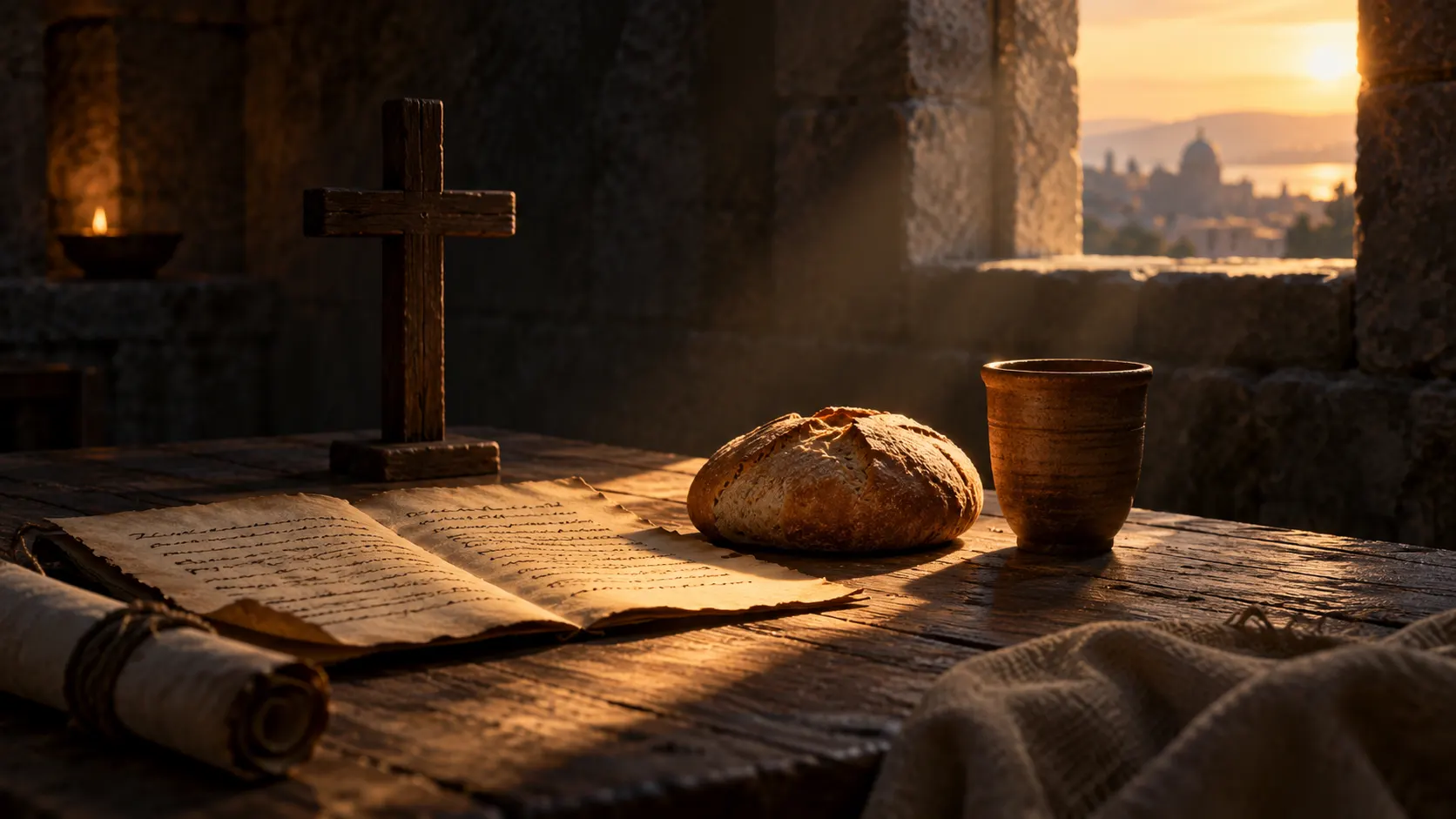
The Church remembers Saint Ignatius of Antioch on October 17. Vatican News describes him as a bishop of the early Church whose seven letters, written while he was being taken to Rome, preserve a precious witness to Christian faith close to the apostolic age. In one of those letters, he gave the Eucharist an unforgettable name: the medicine of immortality.
The phrase can sound strange. Does Holy Communion function like a medicine that prevents illness? Does receiving the Eucharist guarantee an easier life or remove the need for doctors? Catholic teaching answers no. Ignatius was speaking about a deeper healing: Christ gives Himself to unite us to His death and resurrection, nourish divine life in us, strengthen the communion of the Church, and pledge the resurrection of the body.
Who Was Saint Ignatius of Antioch?
Ignatius served as bishop of Antioch, the city where the disciples were first called Christians. During his journey as a prisoner to Rome, he wrote to local churches about the reality of Christ’s Incarnation, unity around the bishop, perseverance under pressure, and the Eucharist. His letters matter because they show that Eucharistic faith was not a late medieval invention. Very early Christians already spoke of the altar, one bread, ecclesial communion, and the real gift of Christ.
His memorial is not mainly an invitation to admire ancient bravery. It asks what sustains a Christian when life cannot be secured by control. Ignatius did not treat the Eucharist as a charm protecting him from suffering. He received it as communion with the living Christ, stronger than death and capable of making the Church one body.
What ‘Medicine of Immortality’ Actually Means
Saint John Paul II repeats Ignatius’s phrase in Ecclesia de Eucharistia while explaining the Eucharist as a pledge of bodily resurrection. The connection is not that communicants stop aging or become immune to sickness. It is that the risen Christ gives Himself sacramentally. The life received in Holy Communion is ordered toward the day when God will raise the dead and bring creation to fulfillment.
Pope Leo XIV’s 2026 catechesis on the Eucharist describes the celebration as a sacrament of love, a sign of unity, a bond of charity, a paschal banquet, and a pledge of future glory. These descriptions belong together. The Eucharist heals by joining us to Christ’s self-giving love, reconciling us to His Body, and directing our present life toward the resurrection He promises. Immortality here means more than endless biological existence. It means eternal life in communion with God.
The Eucharist Is Not Magic
Medicine works when it is truly received, but the sacramental comparison must be handled carefully. The Eucharist is not a technique for controlling God. Receiving Communion while refusing conversion, reconciliation, or love contradicts the gift being received. Catholic preparation includes examining one’s life, fasting as the Church asks, approaching the sacrament reverently, and seeking sacramental confession when conscious of grave sin.
Nor is physical or mental illness evidence of weak faith. Prayer, the Eucharist, professional medicine, counseling, and practical care are not rivals. Catholics may seek competent treatment with gratitude. The Eucharist gives Christ Himself; it does not replace a prescription, emergency care, therapy, rehabilitation, sleep, nutrition, or honest attention to symptoms. Its promise is not immunity from suffering but communion that death itself cannot finally destroy.
Four Ways to Receive the Medicine With an Open Heart
- Arrive with a real hunger. Name one place where you need Christ’s mercy, strength, or correction instead of approaching Mass as a task to complete.
- Listen before receiving. Let the readings and homily expose a truth you need, even when it interrupts your preferred story about yourself.
- Recognize the Body. Notice that Communion joins you not only to Jesus privately but also to His people, including those you find difficult.
- Carry the gift outward. Choose one act of patience, repair, generosity, or presence that allows Eucharistic communion to become visible after Mass.
None of these steps earns the Eucharist. They help us stop treating the sacrament as background. Grace is God’s gift, and receptivity is our honest response. The fruit may be quiet: greater patience with a family member, courage to confess a wrong, steadiness during illness, or a less defensive heart. Healing often appears first as a new capacity to love.
When You Cannot Receive Communion
Some Catholics cannot receive at a particular Mass because they have not yet entered full communion with the Church, need sacramental confession, are observing the Eucharistic fast, or face another pastoral circumstance. That moment should not become humiliation or abandonment. Remain present, listen, pray, and ask a priest for guidance about the next faithful step. A spiritual communion can express desire for Christ, but it is not a substitute that makes sacramental questions irrelevant.
If illness keeps you home, contact the parish when appropriate. Many communities arrange Communion for the sick, and the Anointing of the Sick may be available in serious illness or frailty. Asking for help is not an inconvenience. It allows the Church’s communion to reach a person who cannot come to the assembly.
A Short Prayer Before Holy Communion
Lord Jesus, living Bread, I cannot heal or save myself. Prepare my heart to receive You with faith, repentance, and gratitude. Unite me more deeply to Your Body, strengthen what is weak, and correct what resists Your love. Let this Communion bear fruit in patience, truth, and service. Through the intercession of Saint Ignatius of Antioch, keep my hope fixed on the resurrection You promise. Amen.
One Concrete Action for October 17
Before your next Mass, write one sentence completing this prompt: ‘Christ, the place in me that most needs Your life is…’ Bring that sentence quietly to the liturgy. After Communion, remain still for one minute and ask for one concrete fruit. Then carry it into the day through a specific act of repair, patience, or care. If you are unable to receive, use the same prayer and ask a priest about the next faithful step toward fuller participation.
Saint Ignatius’s phrase keeps Catholic hope from becoming vague. The Eucharist directs us toward resurrection while changing how we live now. Christ does not merely offer an idea about eternal life. He gives Himself as food for the journey, gathers scattered people into one body, and teaches mortal lives to practice the charity of heaven.
Official sources
Questions
Who called the Eucharist the medicine of immortality?
Saint Ignatius of Antioch used the phrase in his Letter to the Ephesians. His memorial is celebrated on October 17.
Does medicine of immortality mean Catholics will not become sick?
No. The phrase points to union with the risen Christ and the promised resurrection, not immunity from illness or freedom from ordinary medical needs.
Is the Eucharist a symbolic reminder or Christ’s real gift?
Catholic faith holds that Christ truly gives Himself in the Eucharist. The sacrament makes present His paschal sacrifice and nourishes communion with Him and His Church.
Can prayer and Communion replace medical treatment?
No. Catholics can receive spiritual care and seek competent medical or mental-health treatment. These forms of care should not be placed in competition.
How should a Catholic prepare for Communion?
Prepare through prayer, attention at Mass, the Eucharistic fast, examination of life, and sacramental confession when conscious of grave sin. Follow the Church’s guidance and seek pastoral help when uncertain.
What if I cannot receive Communion right now?
Remain prayerfully present, make a spiritual communion if helpful, and ask a priest about the next faithful step. Do not treat the moment as rejection by God.
Why is Saint Ignatius important for Eucharistic faith?
His early second-century letters show a strong Christian belief in the Eucharist, Church unity, the reality of Christ’s Incarnation, and hope in resurrection close to the apostolic period.