Saints · 7 min read · Published
Saint Faustina’s Feast Day: Let Mercy Become Action
Saint Faustina’s October 5 memorial invites Catholics to receive Christ’s mercy and make it credible through one truthful, concrete act of love.
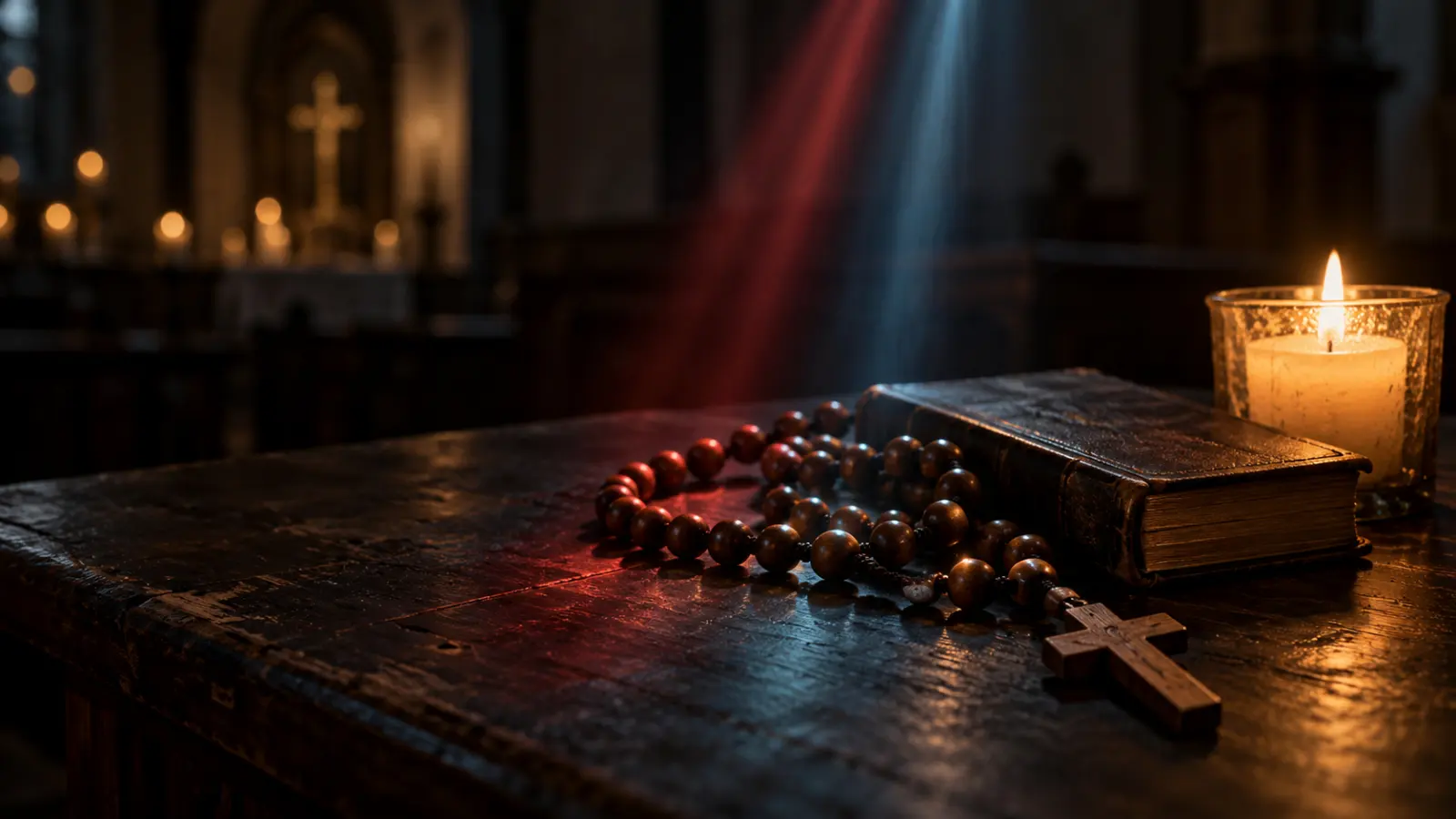
The Church remembers Saint Faustina Kowalska on October 5. In 2020, the Holy See placed her optional memorial in the General Roman Calendar so that it may be celebrated throughout the Church. The decree presents her as a witness to the merciful face of the Father revealed in Jesus and connects devotion to mercy with a credible life of mercy. Her memorial is therefore a fitting moment to ask whether the mercy we pray for is becoming visible in the way we live.
Saint Faustina is closely associated with the Divine Mercy Chaplet, but her feast day is not only an invitation to say more prayers. It asks Catholics to receive mercy from Christ, tell the truth about sin and suffering, and become merciful toward other people. The Church’s official text joins trust in God’s goodness to generous works of charity. Prayer and action belong together.
Why the Church Celebrates Saint Faustina
The Holy See’s decree says Saint Faustina came to understand that no human misery could measure itself against the mercy flowing from Christ. Her life helped spread the invocation of Divine Mercy around the world, but the decree does not stop at devotion. It asks believers to become credible witnesses to mercy in their conduct. That final phrase gives the memorial its practical direction.
Catholics honor saints because their lives show what grace can do in a real human person. Saint Faustina does not replace Jesus or add a different Gospel. She directs attention to Christ, whose mercy meets sinners without calling sin harmless. Her October 5 memorial offers a yearly question: where do I need to trust mercy, and where am I being asked to show it?
What Mercy Is—and What It Is Not
- Mercy begins with God. We do not manufacture it by becoming impressive enough to deserve it; we receive it from Christ with repentance and trust.
- Mercy tells the truth. It does not rename cruelty as kindness, erase responsibility, or ask a harmed person to pretend nothing happened.
- Mercy protects dignity. It refuses to reduce any person—including ourselves—to failure, usefulness, reputation, illness, or past sin.
- Mercy moves toward need. It becomes food, attention, patience, forgiveness, counsel, correction, practical help, and prayer according to the situation.
- Mercy respects boundaries. Forgiveness does not require returning to danger, enabling manipulation, or handling serious harm without qualified help.
- Mercy seeks repair. When we have caused harm, trust in God should make apology, restitution, confession, and changed behavior more possible, not less.
This prevents mercy from becoming vague spiritual optimism. A merciful response asks what love requires here: comfort, a meal, a truthful correction, a boundary, an apology, professional assistance, or patient presence. Different needs call for different actions. What remains constant is the dignity of the person and the refusal to let indifference have the final word.
Receive Mercy Before Trying to Give It
People sometimes treat mercy as a moral assignment for everyone except themselves. They offer patience to others while secretly believing their own failure is unforgivable. Saint Faustina’s witness begins elsewhere: with Christ’s mercy received as a gift. We can confess what is wrong, accept appropriate consequences, repair what we can, and still refuse the lie that sin has made redemption impossible.
Mercy is not permission to ignore wrongdoing. God’s mercy tells the truth about sin while refusing to reduce a person to the worst thing they have done. Receiving mercy includes repentance, repair where possible, sacramental confession when needed, and renewed love. Extending mercy can include forgiveness, but it never requires returning to danger, hiding abuse, abandoning justice, or crossing a necessary boundary.
A Short Prayer Before the Chaplet
Jesus, merciful Savior, I bring You the person and the need I cannot repair by my own strength. Keep me from despair, self-righteousness, and the desire to control the outcome. As I pray for mercy on us and on the whole world, show me where I need to repent, where I can make amends, and where I am called to offer patient love. Saint Faustina, pray that I may trust Christ and practice mercy faithfully. Amen.
Let Prayer Become an Act of Mercy
The memorial decree does not present Saint Faustina’s spirituality as words alone. It says devotion to Divine Mercy should become a credible witness in believers’ conduct. After praying, choose one corporal or spiritual work of mercy that fits your real responsibilities. Call someone who is lonely, forgive a small debt, give food discreetly, correct gossip you repeated, listen without rushing, or make the apology you have delayed.
Keep the action small enough to complete today. Mercy becomes credible through ordinary faithfulness, not dramatic promises. If the situation involves serious harm, legal responsibility, medical need, or personal safety, seek qualified help rather than handling it alone. Prayer can strengthen a truthful next step; it should never be used to avoid one.
One Concrete Action for October 5
On Saint Faustina’s memorial, set aside ten quiet minutes. Thank Christ for one mercy you have received, then write the first name of one person whose dignity is easy to overlook. Choose one appropriate work of mercy you can complete within twenty-four hours. Do not announce it or use it to pressure the other person. Let the action remain a simple answer to the mercy you have received.
You may also pray the Divine Mercy Chaplet with the official USCCB guide, especially if that devotion is already part of your life. But do not let the feast end with the final prayer. Saint Faustina’s October memorial can become a beginning in trust, repentance, intercession, and practical mercy when the compassion asked from God becomes the love offered to a neighbor.
Official sources
Questions
When is Saint Faustina’s feast day?
Saint Faustina Kowalska’s optional memorial is celebrated on October 5. It was added to the General Roman Calendar in 2020.
Is Saint Faustina’s October 5 memorial universal?
Yes. The Holy See inscribed her optional memorial in the General Roman Calendar so it may be celebrated throughout the Church.
How can a Catholic celebrate Saint Faustina’s feast day?
Attend Mass when possible, thank Christ for His mercy, pray the Divine Mercy Chaplet, learn about Saint Faustina, and complete one concrete work of mercy.
Does mercy mean ignoring wrongdoing?
No. Catholic mercy tells the truth, invites repentance and repair, protects dignity, and does not require hiding abuse or abandoning necessary justice and boundaries.
What is one simple work of mercy for October 5?
Choose a need close to you and respond concretely: call someone isolated, provide food, listen patiently, correct gossip, apologize, or offer discreet practical help.
Can I ask Saint Faustina to pray for me?
Yes. Catholics may ask for Saint Faustina’s intercession while keeping Christ at the center as the source of Divine Mercy.
Where can I learn the Divine Mercy Chaplet?
The USCCB publishes the complete sequence and prayers on its official Chaplet of Divine Mercy page linked in the sources below this article.