Catholic Life · 8 min read · Published
What Saint John Henry Newman Teaches About Conscience
Saint John Henry Newman’s new universal memorial invites Catholics to form conscience patiently: not as private preference, but as obedience to truth.
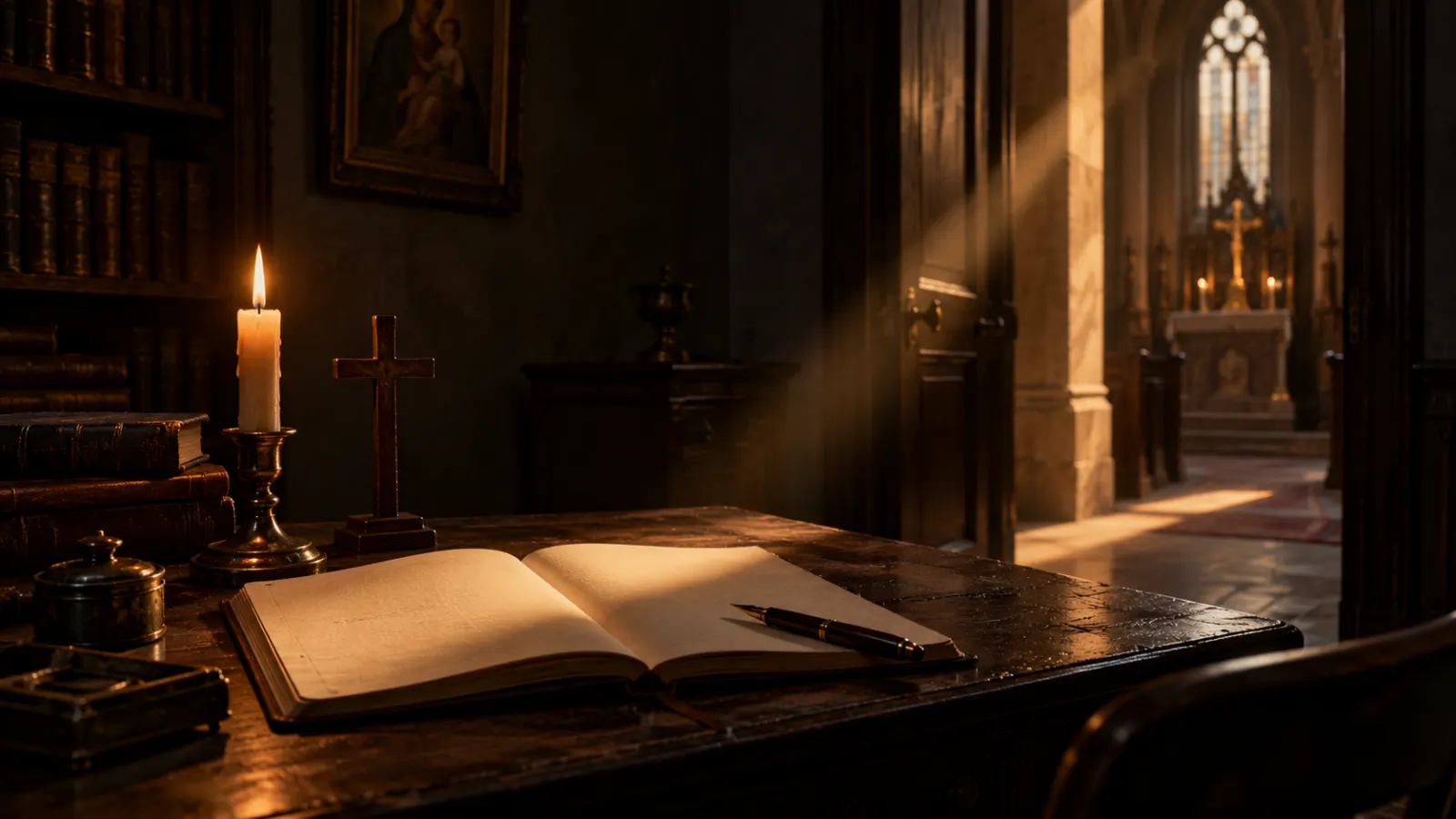
On October 9, Catholics throughout the world may celebrate the optional memorial of Saint John Henry Newman, Priest and Doctor of the Church. The Holy See added the memorial to the General Roman Calendar in 2026, after Pope Leo XIV had proclaimed Newman a Doctor of the Church the previous year. The decree presents his life as an outstanding example of a constant search for the truth that enlightens and saves.
That description makes his memorial especially useful in an age of instant opinions. We often hear the word conscience used to end a conversation: I feel this is right for me, so no further question is needed. Newman points in another direction. Conscience deserves respect precisely because it binds us to truth and responsibility. It is not permission to stop seeking, learning, or being corrected.
Why October 9 Matters in 2026
Newman’s feast has long been associated with October 9, the date of his reception into the Catholic Church in 1845. The new decree now places his optional memorial in the calendar of the universal Church. It identifies his service through intellectual inquiry, preaching, teaching, care for the poor, theology, and devotional writing. His search was not curiosity for its own sake. He accepted the cost of following the truth he gradually recognized.
Pope Leo XIV’s homily naming Newman a Doctor of the Church connects education with a shared search for truth, generosity, integrity, and holiness. That context keeps conscience from becoming lonely self-assertion. Catholic discernment is personal, because no one can make our moral choices for us, but it is never private in the sense of being sealed off from God, reason, Scripture, the Church, and the wisdom of others.
What Catholic Conscience Is—and Is Not
The Catechism calls conscience a judgment of reason by which a person recognizes the moral quality of a concrete act. It is more than a mood, instinct, fear, or preference. Feelings can alert us to something important, but they can also be shaped by habit, pressure, resentment, or incomplete information. A decision does not become morally good merely because it feels peaceful, and discomfort does not automatically prove that a decision is wrong.
Benedict XVI explained Newman’s view by contrasting conscience with the modern idea that the individual is the final authority in moral and religious questions. For Newman, conscience is a capacity to recognize truth and an obligation to seek and obey it. This does not weaken freedom. It frees us from making appetite, popularity, or convenience the hidden ruler of our choices.
The Church also teaches that a person must follow a certain judgment of conscience, while acknowledging that conscience can be mistaken. Both truths matter. We should not coerce another person into violating conscience, and we should not treat our present judgment as incapable of error. Humility allows us to act responsibly while remaining willing to receive better evidence, sound teaching, and wise correction.
How to Form Conscience Without Losing Peace
Formation is not a one-time download of rules. The Catechism calls it a lifelong task. It names the Word of God, prayer before the Cross, the gifts of the Holy Spirit, the advice of others, and the authoritative teaching of the Church as helps. These are not rival voices competing with a supposedly pure inner self. They are ways God educates freedom so that we can recognize the good more clearly.
- Name the concrete choice. Replace a vague question such as ‘What feels right?’ with the actual act, its purpose, and the people it will affect.
- Gather the relevant truth. Check facts, read the applicable Church teaching in context, and distinguish what you know from what you assume.
- Notice your attachments. Ask what outcome you already want and whether fear, pride, comfort, anger, or approval is making one answer unusually attractive.
- Seek wise counsel. Speak with someone prudent who understands Catholic teaching and the real circumstances, not only someone likely to agree with you.
- Pray and decide. Bring the choice before Christ, allow enough quiet for honesty, then act on the best-formed judgment available instead of using endless research to avoid responsibility.
- Remain teachable afterward. Review the fruit, repair harm if necessary, and accept that faithful conscience can grow through correction.
This process should not become a demand for absolute emotional certainty. Some decisions remain difficult even after careful discernment. A formed conscience may require a costly action that does not feel calm at first. Newman’s own path involved loss, waiting, and misunderstanding. Peace can mean fidelity in the presence of difficulty, not the disappearance of every question.
Conscience Is Not Scrupulosity
A tender conscience can become trapped in repeated checking, fear of hidden guilt, or the belief that every uncertain detail may be a grave offense. That is not the mature freedom the Church wants to form. If discernment repeatedly becomes paralyzing or compulsive, follow the steady guidance of one trusted confessor or spiritual director rather than collecting new opinions. Professional mental-health support can also be appropriate; spiritual counsel and clinical care can work together.
At the other extreme, a lax conscience avoids inconvenient truth. The remedy for both extremes is not harsher self-monitoring. It is a stable relationship with Christ, honest formation, proportionate responsibility, and confidence in mercy. Conscience calls us toward the good, but when it exposes a fault, it also points toward forgiveness, repair, and renewed practice.
A Short Prayer for a Truthful Conscience
Lord Jesus, You are the Truth who does not crush the seeker. Purify my motives, correct what is false in me, and protect me from calling preference a command. Teach me through Scripture, Your Church, wise counsel, and honest prayer. Give me courage to follow the good I recognize and humility to keep learning. Through the intercession of Saint John Henry Newman, make my conscience truthful, free, and merciful. Amen.
One Concrete Action for October 9
Choose one real decision you are postponing. Divide a page into three parts: facts I know, desires or fears I notice, and Catholic principles that apply. Read paragraphs 1783–1785 of the Catechism, then ask one prudent person a precise question. End by praying, ‘Lord, lead me from preference into truth.’ If the choice is serious and still unclear, set a reasonable next step or seek qualified pastoral, legal, medical, or professional guidance rather than guessing alone.
Saint John Henry Newman’s memorial is not an invitation to admire an impressive mind from a distance. It is a day to become more teachable. Conscience is honored when we listen deeply, seek truth patiently, accept responsibility, and obey the good we come to know. That path may be gradual, but it leads away from isolation and toward the freedom of a life answerable to God.
Official sources
- Decree inscribing Saint John Henry Newman in the General Roman Calendar — Holy See Press Office
- Christmas Address to the Roman Curia: Newman and Conscience — Holy See
- Catechism of the Catholic Church: The Formation of Conscience — Holy See
- Homily proclaiming Saint John Henry Newman a Doctor of the Church — Holy See
Questions
When is Saint John Henry Newman’s feast day?
His optional memorial is celebrated on October 9. In 2026 the Holy See inscribed it in the General Roman Calendar for the universal Church.
Why was October 9 chosen for Saint John Henry Newman?
October 9 is associated with Newman’s reception into the Catholic Church in 1845 and has long been observed as his feast day.
What is conscience in Catholic teaching?
Conscience is a judgment of reason about the moral quality of a concrete act. It calls a person to do good and avoid evil, and it must be formed in truth.
Does following conscience mean doing whatever feels right?
No. Feelings matter, but conscience is not the same as preference or instinct. Catholics are responsible for seeking facts, moral truth, Scripture, Church teaching, prayer, and wise counsel.
Can conscience be mistaken?
Yes. A person must not act against a certain judgment of conscience, but conscience can make erroneous judgments. That is why lifelong formation and humility are necessary.
How can a Catholic form conscience?
The Catechism recommends the Word of God, prayer before the Cross, the Holy Spirit’s gifts, the advice of wise people, and the authoritative teaching of the Church.
What should someone do if conscience becomes scrupulous?
Seek consistent guidance from one trusted confessor or spiritual director rather than repeatedly collecting reassurance. Professional mental-health support may also help when fear or checking becomes compulsive.