Saints · 7 min read · Published
All Saints’ Day: Is Holiness Really for Everyone?
All Saints’ Day celebrates a vast family in Christ and reminds ordinary Catholics that holiness grows through grace, charity, and faithful daily choices.
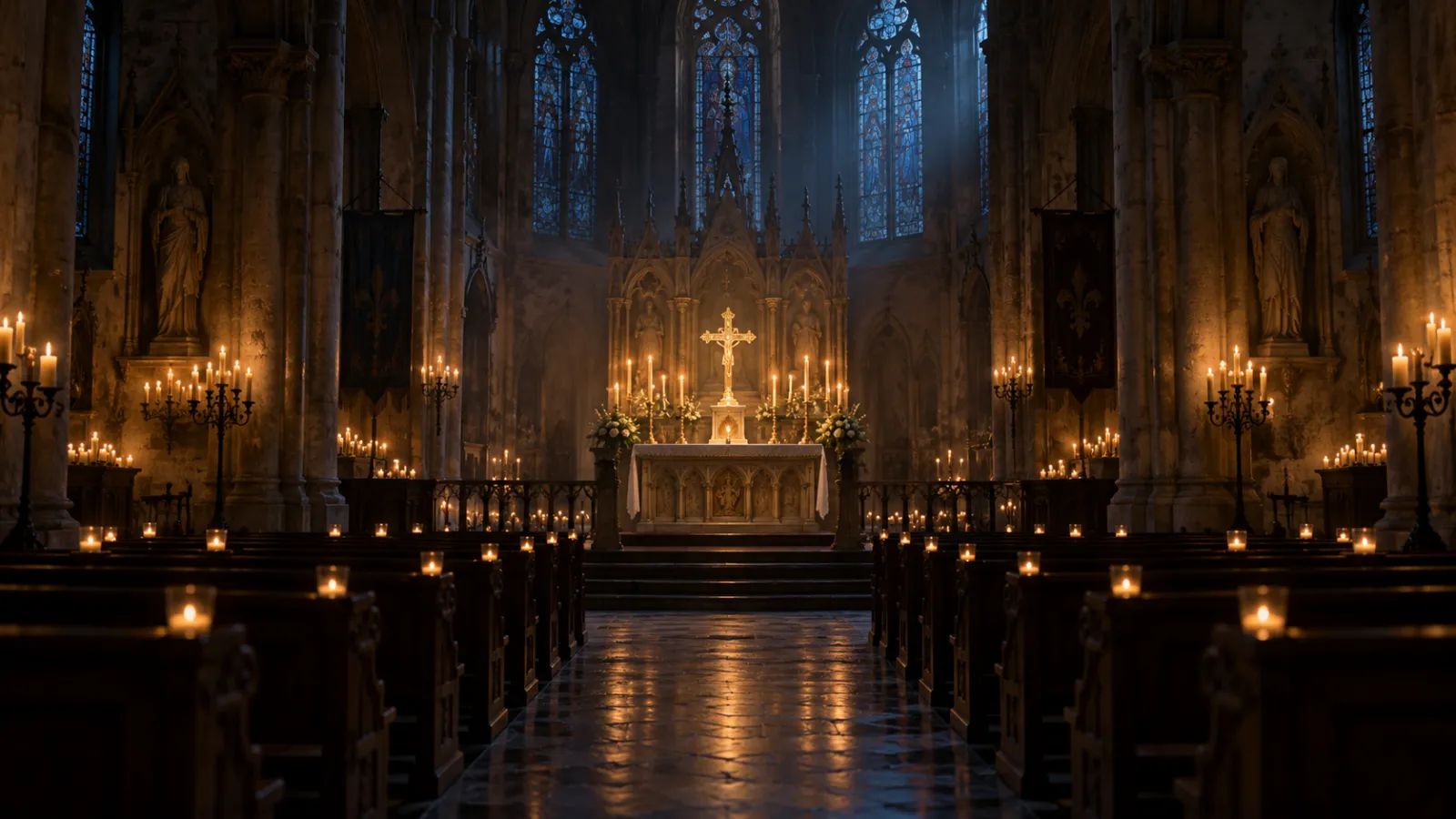
On November 1, the Church celebrates the Solemnity of All Saints. Vatican News identifies this date as the celebration of the saints known by name and the countless faithful whose holiness was hidden from public view. The feast therefore asks a personal question: is holiness reserved for canonized people with extraordinary stories, or is it truly the vocation of every baptized person?
The Second Vatican Council answers clearly. Lumen Gentium teaches that everyone in the Church is called to holiness and that holiness is expressed in the fruits of grace, especially the perfection of charity. That does not mean every Catholic will live the same way. It means no honest vocation, age, profession, family situation, or season of weakness places a person outside Christ’s call to become holy.
Why Celebrate All the Saints Together?
A calendar could never name every person who lived and died in friendship with God. All Saints’ Day widens our attention beyond the saints whose biographies, writings, or public witness are well known. The solemnity includes people whose faithfulness was quiet: parents who practiced patient love, workers who chose honesty, caregivers who persevered, neighbors who forgave, and believers who returned to Christ after failure without becoming famous.
This is not a sentimental way of declaring that every choice was good or that conversion was unnecessary. Christian holiness is God’s work in people who receive grace and learn to love. Some lives show dramatic conversion; others reveal a long obedience made of small decisions. The feast gives thanks for the completed work of grace while inviting those still on the way to begin again.
Holiness Is Not a Religious Achievement
If holiness becomes a performance, ordinary Catholics will either become proud or give up. We compare ourselves with a simplified image of a saint, notice our distractions and recurring faults, and conclude that sainthood belongs to a different kind of person. Lumen Gentium begins elsewhere: Christ loves and sanctifies the Church, gives the Holy Spirit, and calls His followers to live in grace. Holiness is a gift before it becomes a task.
Grace does not make effort unnecessary. It changes the meaning of effort. We do not earn God’s love by assembling an impressive spiritual record. We answer love already given. Prayer, the sacraments, repentance, works of mercy, formation, and disciplined choices become ways of remaining available to Christ. Progress may be real even when it is not dramatic: an apology offered sooner, a temptation resisted once, a duty completed with care, or a harsh judgment interrupted.
The Communion of Saints Is a Shared Life
The Catechism explains that the communion of saints means both communion in holy things and communion among holy persons. Faith, the sacraments, charisms, charity, and the life of Christ are not private possessions. In Christ, the good of one member serves the others. The saints in heaven do not compete with Jesus or replace Him; their communion points to the one grace and one body whose head is Christ.
That truth also corrects spiritual individualism. My smallest act of charity is not isolated, and my sin never affects only me. Holiness strengthens communion. This is why the Church’s saints are more than inspiring personalities. They are members of a living family who show different forms of fidelity and intercede for the pilgrim Church. Their differences keep us from confusing one temperament, culture, ministry, or devotional style with the whole Christian life.
What Ordinary Holiness Looks Like
Ordinary holiness is not merely being pleasant. Charity seeks the real good of another person and remains accountable to truth. Sometimes it looks gentle and unnoticed; sometimes it requires courage, boundaries, correction, or perseverance. The form changes with vocation. A parent may need patient attention. A student may need integrity. A manager may need justice. A person who has caused harm may need confession, repair, and the humility to accept consequences.
Holiness also respects human limits. Exhaustion, grief, illness, disability, or mental distress do not make a person spiritually inferior. Faithful action may include rest, treatment, asking for help, or reducing a commitment that cannot be carried responsibly. The universal call to holiness is universal precisely because Christ meets people in real lives, not in an imaginary life free from dependence and limitation.
Three Shortcuts to Avoid
- Do not imitate a saint’s surface details while ignoring your own vocation. Learn the virtue beneath the practice, then live it faithfully where you are.
- Do not wait for a heroic opportunity. Most charity is trained through ordinary duties, honest speech, patience, repair, and attention.
- Do not turn holiness into self-monitoring. Examine your life truthfully, but keep your attention on Christ and the neighbor you are called to love.
These shortcuts share one mistake: they make holiness mainly about constructing a spiritual identity. The saints did not become holy by curating an image of sanctity. Grace drew them into deeper truth, worship, service, and communion. A useful practice should therefore make us more available to God and more capable of concrete love, not merely more impressed with our own seriousness.
A Simple Practice for All Saints’ Day
On November 1, attend Mass if you are able and let the feast expand your idea of holiness. Choose one recognized saint whose vocation or struggle genuinely speaks to your present life. Read a short account from a reliable Catholic source, then name one virtue rather than one impressive achievement. Patience, courage, chastity, justice, humility, hope, and mercy can all take a small, concrete form today.
Next, remember one faithful person you knew personally. Avoid declaring privately that someone is certainly a saint; the Church has a careful public process for canonization. Simply thank God for the good you received through that person and ask how you can pass one part of that good forward. All Saints’ Day becomes practical when gratitude turns into imitation of Christ rather than nostalgia.
A Prayer for the Universal Call to Holiness
Holy God, You call every person to the fullness of love in Jesus Christ. Thank You for the saints whose names are known and for the faithful whose holiness remained hidden. Free me from comparison, discouragement, and the desire to look holy. Through Your grace, make me truthful in repentance, steady in prayer, faithful in my duties, and generous in charity. Teach me to receive the help of the whole Church and to offer my small good for others. All holy men and women, pray for us. Amen.
One Concrete Action
Write the name of one saint and one virtue that saint practiced. Underneath, write one action that expresses the same virtue within your actual responsibility and can be completed before the end of November 1. Keep it small and observable: make the call, tell the truth, finish the duty, ask forgiveness, protect ten minutes for prayer, or offer one practical work of mercy.
All Saints’ Day does not ask whether you can reproduce another person’s story. It asks whether you will let Christ form charity in your own. The communion of saints surrounds that choice with hope. Holiness is not for a spiritual elite. It is the shared vocation of God’s people, received by grace and practiced through the next faithful act of love.
Official sources
Questions
When is All Saints’ Day?
The Church celebrates the Solemnity of All Saints on November 1.
What does All Saints’ Day celebrate?
It gives thanks for all the saints in heaven, including the many faithful whose holiness is not publicly known or assigned an individual feast day.
Is every Catholic called to be a saint?
Yes. The Second Vatican Council teaches a universal call to holiness: every member of the Church is called by grace to the perfection of charity within his or her real vocation.
Does holiness require extraordinary miracles or achievements?
No. Canonization has its own careful requirements, but daily holiness ordinarily grows through grace, prayer, repentance, the sacraments, faithful duties, and concrete charity.
What is the communion of saints?
The Catechism describes it as communion in holy things and among holy persons: all who belong to Christ share one life in Him, and the good of each member serves the whole body.
How can I mark All Saints’ Day at home?
Attend Mass if possible, read about one saint from a reliable Catholic source, thank God for a faithful witness you have known, pray for holiness, and choose one concrete act of charity.